
About Dragon Railroad
Dragon Railroad grew from a childhood fascination with model trains into a passion for designing and 3D printing detailed buildings, structures, and scenery.

Where It Started
My journey into model railroading began when my grandparents gave me my first HO scale layout on a simple 4-by-8-foot sheet of plywood. It started without scenery, giving me a blank canvas where I could gradually add buildings, landscape, and other details. Although a later move meant the layout had to be sold, my interest in model trains never left.

Making Room for a Railroad
As life kept moving, so did my layouts. For a time, I built an HO scale railroad that wrapped around our dining room and front room. The layout stood about four feet high on handmade legs and turned our living space into a temporary railroad world. It proved that wherever we lived, I could usually find room for another layout.
A More Affordable Approach
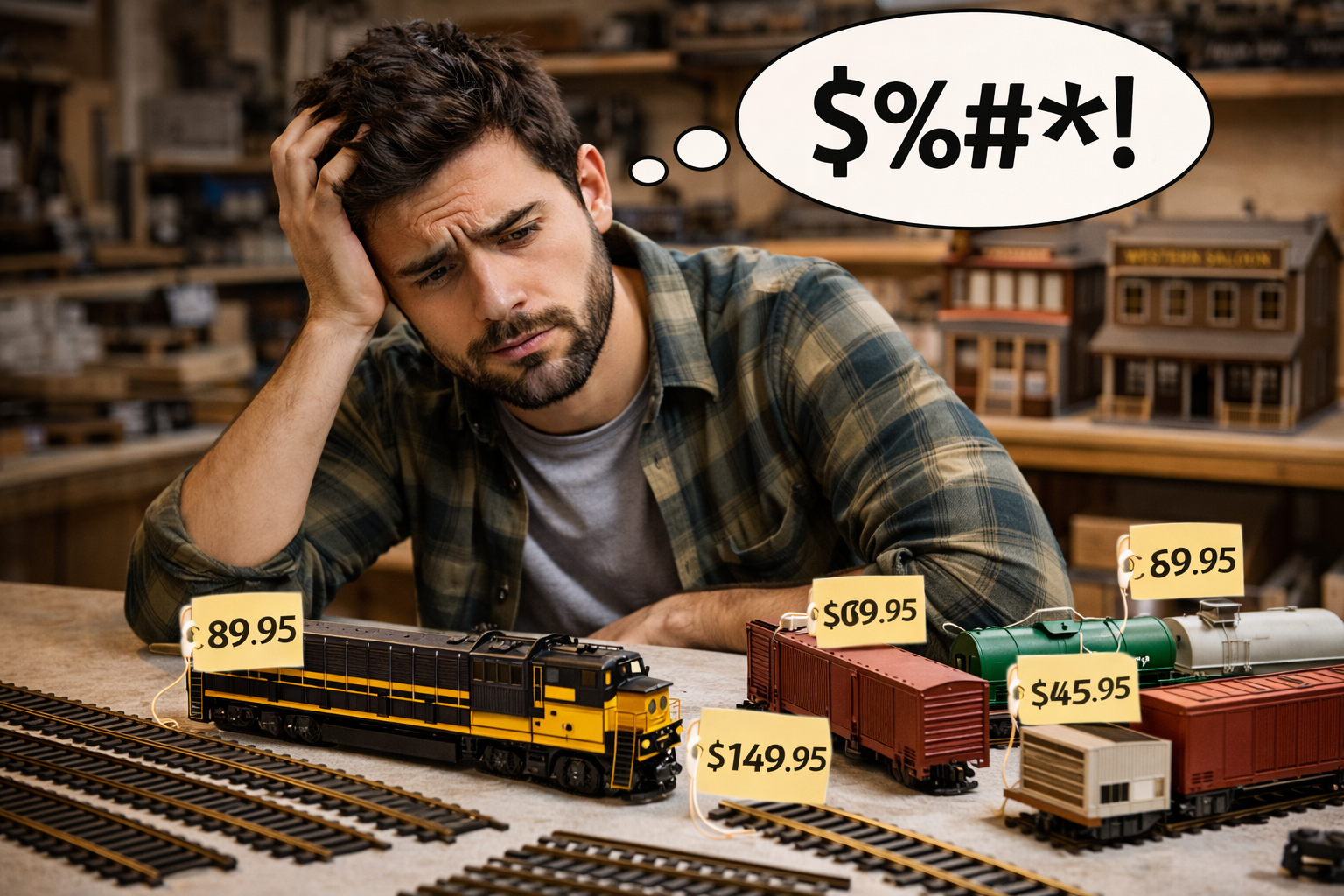
When I began pricing ready-made model buildings and layout details, I quickly realized how expensive the hobby could become. That led to an important question: could I design and build the pieces myself? Creating my own models offered a more affordable option and gave me the freedom to customize structures for a particular scene or layout.
Learning to Design My Own Models
The parts were not going to design themselves, so I began learning computer-aided design with Fusion 360. Turning an idea into an accurate printable model required patience, testing, and plenty of revisions.
Each project taught me something new about scale, proportions, print orientation, and the small details that make a model look at home on a railroad layout.
My First Working Model
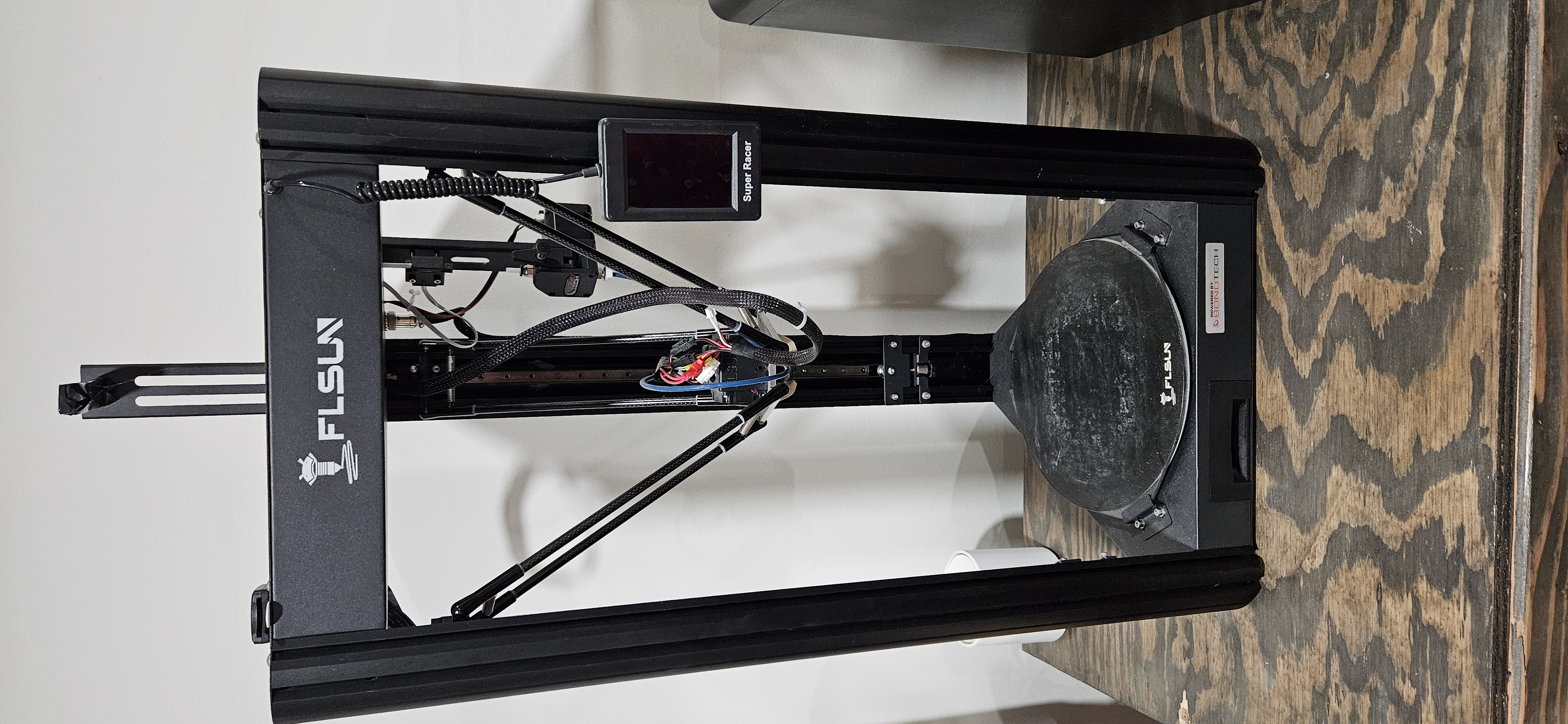
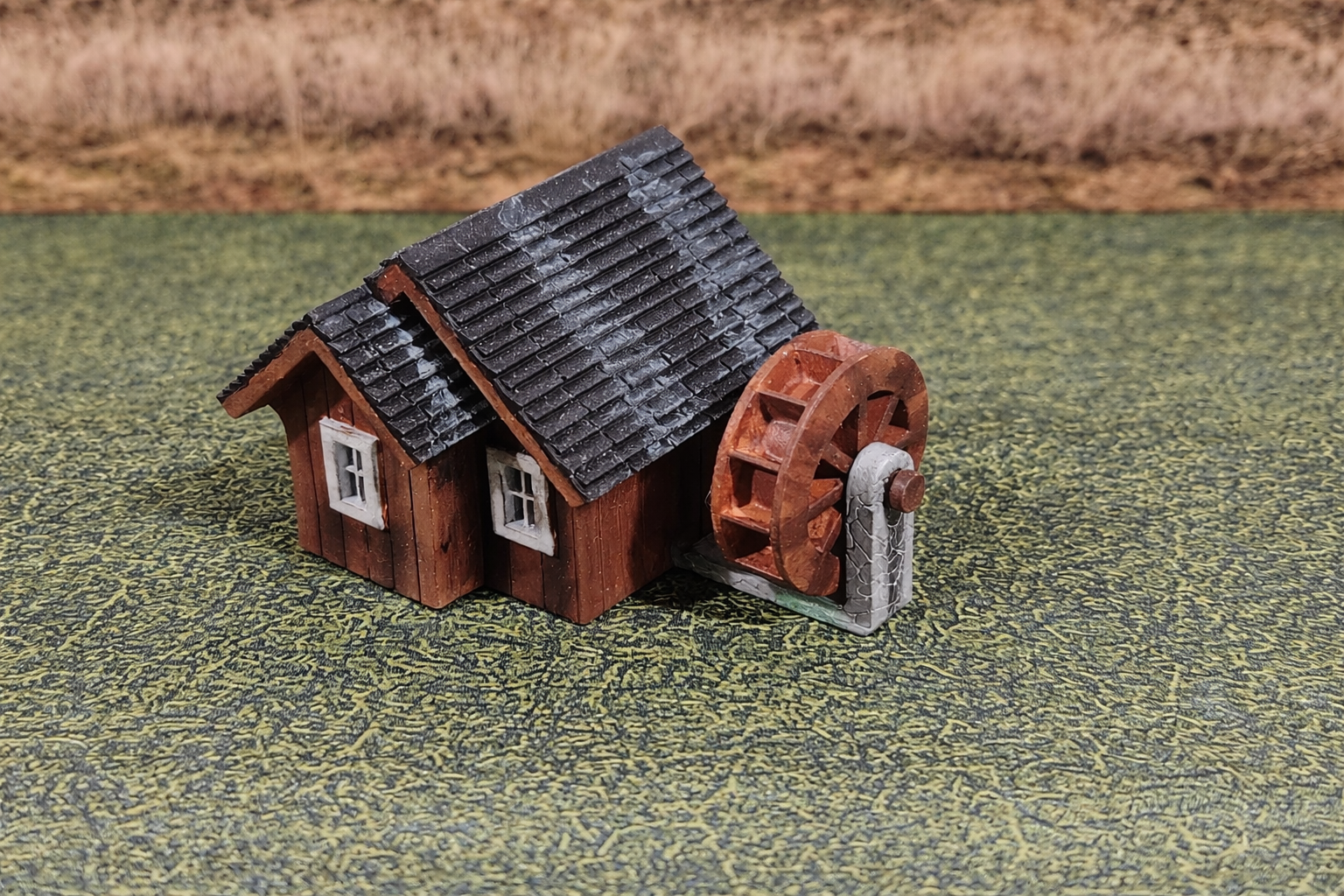
My first major project was a working waterwheel with a small building. Coordinating Fusion 360 with my FLSUN printer and turning the digital design into a reliable physical model took more than a year of trial and error.
There were unsuccessful prototypes and many adjustments along the way, but persistence eventually produced a working HO scale waterwheel. Seeing that model operate made the entire learning process worthwhile.
Experimenting With Resin Printing
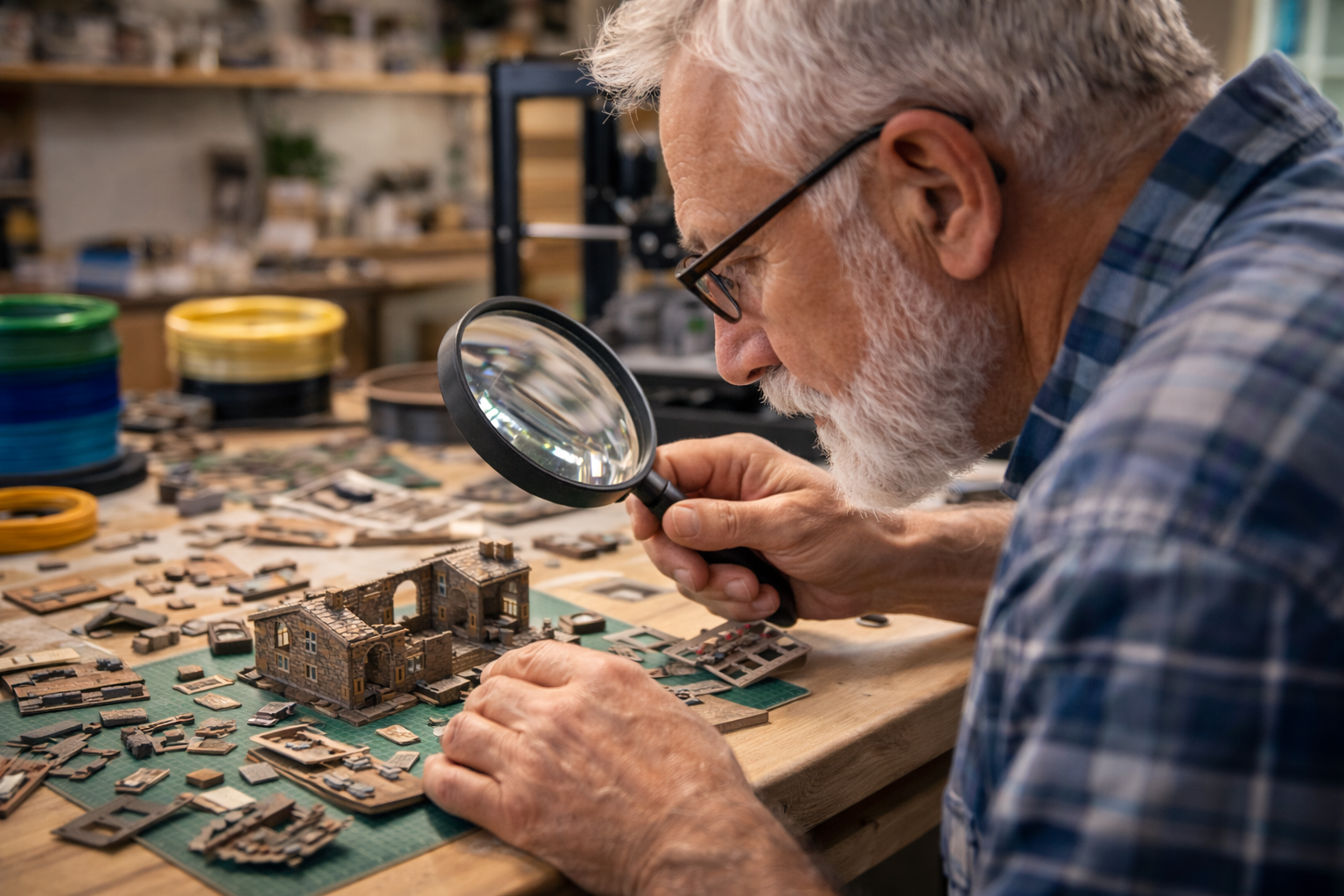
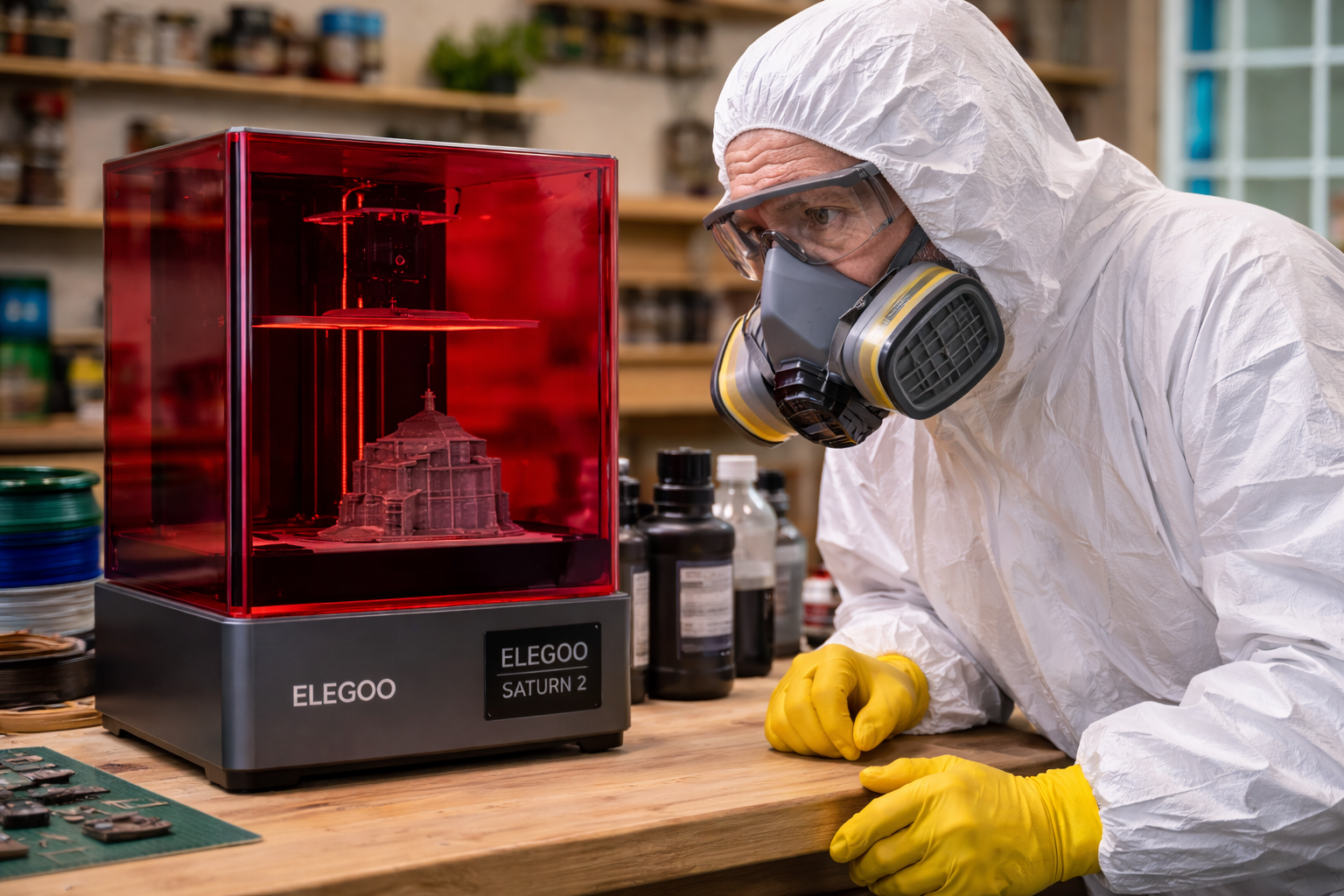
After gaining experience with FDM printing, I wanted to create smaller parts with finer detail. Resin printing appeared to be the logical next step, so I spent more than a year learning the process and improving my results.
Resin can produce excellent detail, but it also requires careful handling, ventilation, gloves, eye protection, and other safety precautions. After weighing those requirements against my model railroad needs, I decided that resin printing was not the best long-term choice for my workshop.
Finding a Better Printing Solution
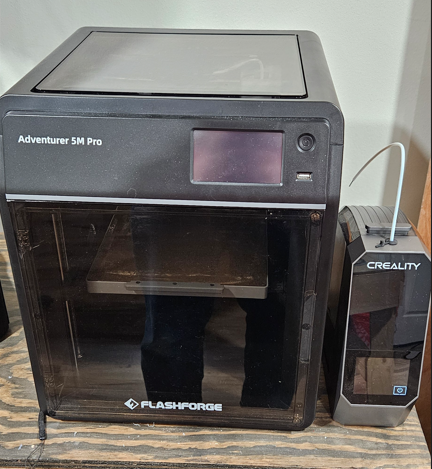
My next step was the Flashforge Adventurer 5M Pro. It provided the speed, consistency, and fine detail I wanted while allowing me to continue working with familiar FDM materials. The improved printer made the design process more enjoyable and helped me produce cleaner, more detailed models for HO and N scale layouts.
Where Dragon Railroad Is Today
Dragon Railroad continues to grow as I explore new equipment, new materials, and new ways to turn an idea into something that can be held, displayed, and enjoyed.

The Next Step in 3D Printing
The newest addition to my workshop is the Flashforge Creator 5 Pro. This printer opens the door to working with multiple colors and creating models with more of their finished appearance already built into the print.
Like every new piece of equipment, there will be plenty to learn along the way. That is part of what I enjoy about this hobby. Each new printer, design, and experiment gives me another opportunity to improve what I can create.

Adding Color to the Models
These rock walls are one example of where the new technology is taking Dragon Railroad. Printing with multiple colors allows the individual stones and details to stand apart before the model ever reaches the layout.
I am still experimenting with colors, materials, and printer settings, but the early results are exciting. My goal is to create scenery that looks natural, fits comfortably into a model railroad, and gives the builder a strong starting point for any additional weathering or detailing they may want to add.
Exploring Lithophanes
I have also begun experimenting with lithophanes. At first glance, an unlit lithophane can look like a simple raised image. Once light shines through it, the picture comes to life as the different thicknesses reveal highlights, shadows, and detail.


Still Learning and Still Creating
Dragon Railroad began with model trains, but it has grown into a place where I can continue learning, designing, and sharing what I create. Some projects become model railroad scenery, while others lead me in an entirely new direction.
Every project still starts the same way: with an idea, followed by designing, printing, testing, and making adjustments until I am happy with the result.
You can explore the current HO scale models and N scale models to see what that journey has produced so far. There will be more to come as Dragon Railroad continues down the track.